 EMS AI Stack
The phantom medical director
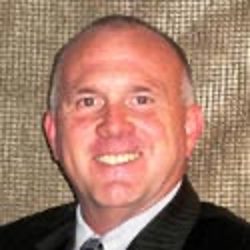 ✔ Reviewed by A. Keith Wesley, MD, FACEP, FAEMS, board-certified EMS physician and former State EMS Medical Director (WI, MN) · Updated 2026-10-16 · How we review
I served as Wisconsin's and then Minnesota's State EMS Medical Director, and I've been a local EMS medical director for decades. Over that time I've seen agencies with superb physician oversight, and I've seen agencies where the medical director was a name on a form. Crews call that the "phantom medical director." This page is for the providers and agency leaders living with it.
What it is
Every EMS agency practices under a physician's license and oversight. A phantom medical director signs the paperwork but isn't really there: protocols go unreviewed, charts go unread, and crews have never met the person whose authority they practice under. It's rarely malicious. Often it's a busy physician who agreed to "help out" without the time, training, or compensation the job requires.
Warning signs
- Crews don't know who the medical director is, or have never met them.
- Protocols haven't been updated in years, or don't match the drugs and equipment on the truck.
- There's no QA/QI program, or "QA" means billing review only.
- Nobody reviews cardiac arrests, airways, refusals, or restraint calls.
- Continuing education has no physician involvement.
- Calls to the medical director go unanswered.
- New technology, including AI tools, gets adopted without any medical review.
Why it matters
- Protocol drift. Without review, protocols fall behind current evidence, and actual practice drifts away from what's written.
- No quality improvement. Without QA, nobody notices missed STEMIs, poor CPR, or unrecognized airway problems until a patient is harmed.
- Liability. When care is questioned, the absence of oversight, review, and education is hard to defend. Speaking from medical-legal case review experience: gaps in oversight and documentation come up again and again.
- Crew morale and safety. Providers without support, feedback, or a clinical leader to call burn out faster.
What crews can do
- Find out who your medical director is and how to reach them.
- Raise specific, documented concerns through your chain of command, such as "our protocols are dated 2019."
- Ask for case reviews and education, and offer to help organize them.
- Know your state EMS office's rules. Many states define medical director duties.
What agencies can do
- Put a written agreement in place that defines duties, time, authority, and compensation.
- Set a protocol review cycle and a written QA/QI plan.
- Schedule regular, visible contact: meetings, ride-alongs, case reviews.
- If your current physician can't commit the time, consider an associate medical director or an outside medical direction and QA arrangement.
- Use the free checklist below to measure where you stand.
The National Association of EMS Physicians lays out what physician oversight should include in its position statement, Physician Oversight of Emergency Medical Services (Prehospital Emergency Care, 2017;21(2):281–282). It's short and worth reading with your leadership team.
How AI can help, without replacing the physician
AI can't be your medical director, and anyone who tells you otherwise is selling something. It can make an engaged medical director and a small QA team far more effective:
- QA screening: flag charts for physician review (cardiac arrest, airway, refusals, restraint, high-risk meds) so limited physician time goes where it matters. See AI QA/QI tools.
- Protocol review: compare your protocols with current guidelines and draft change memos for the physician to approve.
- Education: turn QA findings into case-based training and quizzes.
- Documentation feedback: give crews consistent, specific feedback on narratives.
Free: Medical Director Engagement Checklist
About 25 yes/no questions across six areas: accountability, protocols, QA, education, presence, and risk, with scoring guidance. Use it with your agency leadership.
Download the checklist Get the newsletter
Talk to Dr. Wesley about medical direction or QA consulting
If your agency needs help assessing oversight, building a QA program, or reviewing protocols, send a short note about your agency and what you need.
Please don't include patient information. Arrangements depend on state licensure and requirements.
FAQ
What is a phantom medical director?
An EMS medical director whose name is on the agency license and protocols but who is not actually involved: no meaningful protocol review, no QA, no education, and no presence with crews.
What should I do if my EMS medical director is not involved?
Document the specific gaps, raise them with agency leadership, and request a meeting with the medical director. Use a checklist to structure the conversation. If the gaps persist, contact your state EMS office for guidance on medical director requirements.
Can AI replace an EMS medical director?
No. AI can help an engaged medical director and agency do QA chart screening, protocol comparison, and education more efficiently, but medical oversight is a physician responsibility that AI cannot assume.
What does good EMS medical oversight include?
Protocol development and review, quality assurance and improvement, education and credentialing, online and offline medical control, and active relationships with crews, dispatch, and hospitals, as described in the NAEMSP position statement on physician oversight of EMS.